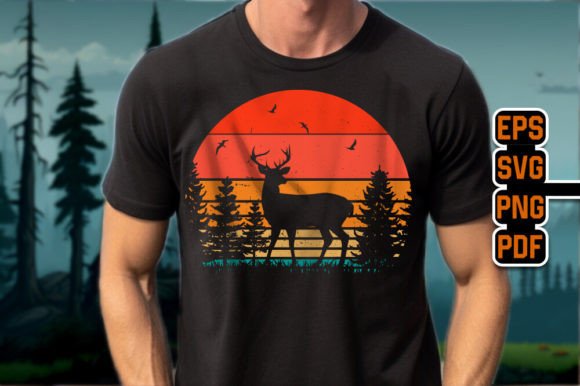
Unique Deer Retro Sunset Vintage T-Shirt
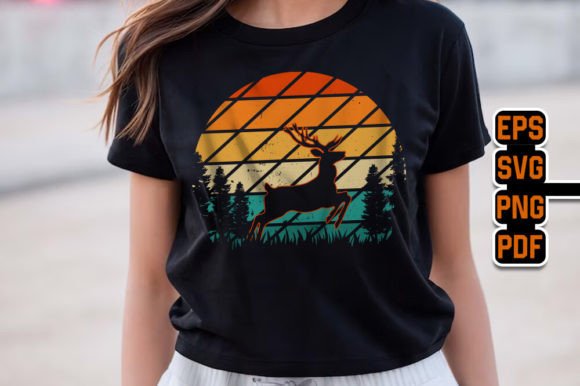
When I first opened the file for the Unique Deer Retro Sunset Vintage T-Shirt, my immediate reaction was less about technical specs and more about the vibe. As a designer who spends hours staring at stitch density charts and hooping fabric, it is refreshing to encounter a machine embroidery design that prioritizes mood and aesthetic cohesion over sheer complexity. This piece isn’t just a graphic; it is a complete visual statement that screams "cozy nostalgia." The retro sunset palette, combined with the silhouette of the deer, creates an instant connection to autumn evenings, cabin life, and vintage Americana. For anyone looking to add a touch of warmth to their craft business or personal wardrobe, this design feels like a natural fit.
First Impressions and Visual Personality
The core strength of this embroidery file lies in its simplicity and boldness. The composition relies on strong shapes rather than intricate, fragile details, which is a smart choice for textile art. When you look at the layout, you see a harmonious balance between the organic curve of the deer’s antlers and the geometric sweep of the setting sun. This contrast gives the design a dynamic energy without feeling cluttered. It has a distinct personality—confident, relaxed, and timeless. It doesn’t try too hard, which is exactly why it works so well in the current market trend toward minimalist yet meaningful decor.
I found myself imagining this design not just as a standard chest logo, but as a centerpiece for larger items. The scale of the elements suggests it would look stunning centered on the back of a heavyweight hoodie or spanning across the front pocket area of a denim jacket. The vintage color story, implied by the title and typical of this style, translates beautifully into thread choices. Think mustard yellows, burnt oranges, deep burgundies, and soft creams. These colors evoke a sense of comfort and reliability, traits that customers associate with high-quality handmade products.
Real-World Application: From Screen to Stitch
Let’s talk about how this design assets package performs when moved from a digital preview to a physical product. I recently considered using this concept for a custom order of embroidered patches for a local boutique’s holiday collection. The challenge with many T-Shirt Designs categorized under Graphics is that they often lack the structural integrity needed for embroidery. However, this design appears robust enough to handle real-world wear.
Imagine a customer buying a personalized gift for a nature lover. You place this deer motif on a cream-colored canvas tote bag. The contrast of dark threads against the light fabric makes the retro sun pop, while the negative space allows the texture of the canvas to breathe. Alternatively, consider a baby onesie. The gentle curves and non-threatening imagery make it perfect for baby embroidery. Parents are drawn to designs that feel safe, warm, and aesthetically pleasing, and this deer silhouette delivers on all fronts. It bridges the gap between rugged outdoor themes and soft nursery aesthetics.
For Etsy sellers and small shop owners, versatility is key. This design can be adapted for various merchandise types. A tote bag design featuring this artwork appeals to the eco-conscious consumer, while a version stitched onto a flannel shirt targets the fashion-forward crafter. The ability to use this same digital embroidery file across multiple product lines increases your return on investment. You aren’t just selling one item; you are selling a cohesive brand identity that can appear on kitchen towels, pillow covers, and even embroidered patch collections for jackets.
Technical Considerations for Embroidery Projects
While the visual appeal is undeniable, any experienced embroiderer knows that beauty must be backed by technical soundness. Before committing this design to a final finished product, there are several practical steps to ensure success. First, always test the design on scrap fabric that matches the weight and stretch of your final material. If you are stitching onto a stretchy knit sweatshirt, you need a different approach than if you are working with stable cotton twill for a cap.
Pay close attention to the stitch density. While the specific stitch count isn’t provided in the initial description, the visual weight of the fill areas should be checked. Dense fills can cause puckering on thin fabrics, while sparse fills might not cover the base fabric adequately on textured materials like wool blends. I recommend reviewing the design in a black-and-white mockup to check the contrast levels. If the lightest threads get lost against a beige background, you may need to adjust your thread colors or add a cut-away stabilizer to prevent distortion.
Another critical factor is the hoop size. Ensure your machine’s hoop can accommodate the full dimensions of the design without requiring re-hooping, which can lead to misalignment. If the design is large, consider breaking it down or selecting a machine with a larger field. Also, inspect the smaller details, such as the inner contours of the antlers or the edges of the sun rays. These areas often suffer from thread breaks or clumping if the underlay stitches aren’t properly configured. Using a proper stabilizer is non-negotiable here; a tear-away might suffice for a stiff hat brim, but a woven cut-away will provide the necessary support for a flowing sweatshirt embroidery project.
Where to Use Carefully
Not every surface is created equal, and there are certain scenarios where this embroidery project might face challenges. Avoid placing this design on highly textured fabrics like heavy bouclé or loose-weave linen unless you are prepared for the threads to sink into the weave, losing definition. Similarly, on very dark fabrics, ensure your lighter thread colors have enough opacity to stand out. If the design relies on subtle shading, it may lose impact in low-light conditions.
Be cautious with curved surfaces like baseball caps. While the central deer motif might work, any extended horizontal elements could distort due to the curvature. It is often safer to digitize a cropped version or adjust the angle to follow the natural dome of the cap. Additionally, for items that require frequent washing, such as aprons or children’s clothing, reinforce the edges with a tight satin stitch border to prevent fraying and maintain the clean lines of the vintage aesthetic.
Final Verdict on Design Value
In the end, the value of the Unique Deer Retro Sunset Vintage T-Shirt lies in its emotional resonance and adaptability. It captures a specific moment in time—the golden hour—and freezes it in thread. For the commercial embroidery professional, this design offers a reliable way to create products that feel personal and thoughtful. It builds customer trust because it looks intentional and well-crafted. When a buyer sees the care taken in selecting the right fill stitch and running stitch combinations, they perceive higher value in the handmade product.
This design is more than just a graphic; it is a tool for storytelling. Whether you are creating a personalized gift for a friend or stocking your shelves with small shop product inventory, this deer motif provides a solid foundation. It invites the viewer to pause and appreciate the simple beauty of nature and nostalgia. Just remember to do your due diligence: check the licensing terms before selling finished items, verify the file compatibility with your software, and always prioritize quality control in your stitching process. With these precautions, this graphics asset can become a staple in your creative repertoire, delivering both artistic satisfaction and commercial success.