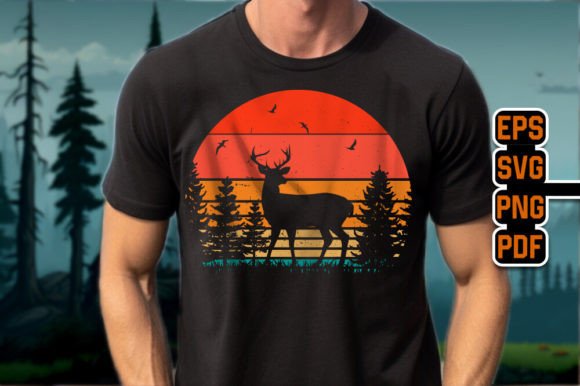
Best Selling Deer Retro Sunset Vintage
As a designer who spends half the day staring at stitch charts and the other half worrying about thread tension, I don’t just look for "pretty" designs. I look for viability. Can this design actually be stitched? Will it hold up after ten washes? Does it translate well from a screen to fabric? When I first pulled up Best Selling Deer Retro Sunset Vintage, my immediate reaction was less about the trendiness of the aesthetic and more about its structural potential for real-world application. This isn't just another clipart file; it is a graphic asset that demands thoughtful execution if you want your finished product to look professional rather than amateurish.
The First Impression: Mood and Visual Personality
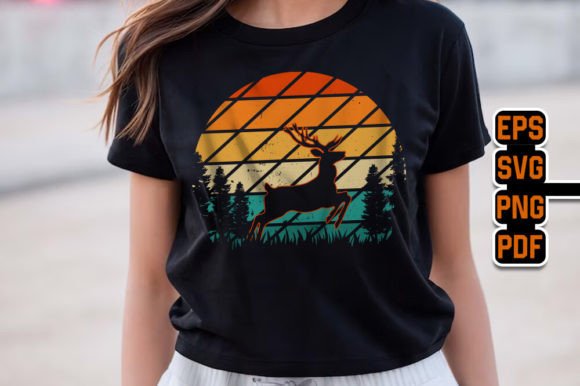
The moment you load the file, the mood is unmistakable. It taps into that specific nostalgia loop that drives so much of today’s handmade market—the retro sunset palette combined with the silhouette of a deer. It feels warm, grounded, and slightly rustic. For an embroidery project, this visual personality is crucial because it dictates the stitching style. A clean, vector-like deer silhouette suggests that this works best when treated as a graphic shape rather than a hyper-realistic portrait. It begs for bold fills and strong outlines, which translates beautifully into machine embroidery where clarity is king.
From a design perspective, the composition relies on contrast. The negative space around the deer needs to breathe. If you are planning to use this for T-Shirt Designs or large banner prints, the layout holds up well. However, the transition from digital graphics to physical textile requires a shift in mindset. You aren't just printing ink; you are building texture. The retro vibe implies a certain roughness or warmth that synthetic threads can sometimes flatten out, so selecting the right sheen and color palette is part of the creative process before you even hit the start button.
Real-World Application: Where This Design Shines
I’ve taken this concept through several mental simulations of actual production runs, and there are clear winners here. Let’s talk about the custom embroidered tote bag. This is perhaps the strongest use case. The deer motif fits perfectly with the utilitarian, outdoorsy aesthetic that tote bags often carry. Because the design is likely centered and balanced, it sits comfortably in a standard 4x4 or 5x7 hoop without feeling cramped. When paired with a heavy cotton canvas, the retro colors pop, and the design gains a tactile quality that print-on-demand cannot replicate.
Then there is the sweatshirt embroidery angle. Nothing says "cozy boutique" like a chest-sized deer graphic on a heather grey or olive green crewneck. This type of custom apparel appeals heavily to the Etsy seller demographic looking for gift items. The design’s vintage feel aligns perfectly with the current demand for gender-neutral, nature-inspired clothing. It doesn’t scream "baby" or "teen," making it a versatile item for a wider age range. Similarly, for holiday gifts, this design bridges the gap between rustic farmhouse decor and modern minimalism, making it a safe yet stylish choice for customers unsure of their exact taste.
Consider also the personalized gift market. Imagine this design on a linen apron for a home baker, or perhaps on a pillow cover for a nursery or guest room. The deer theme allows for easy personalization—adding a name in a complementary script font nearby can elevate the piece from a generic store-bought item to a high-value bespoke product. In these scenarios, the design acts as an anchor, providing enough visual weight to stand alone while leaving room for customization.
Technical Considerations and Potential Pitfalls
However, not every surface is created equal, and Best Selling Deer Retro Sunset Vintage has limitations that any experienced embroiderer knows to respect. I need to be blunt: this design should be used carefully on small hoop sizes. If you attempt to cram this intricate retro layout into a tiny 3x3 hoop, you risk losing the integrity of the lines. The details might merge, creating a muddy blob instead of a crisp silhouette. Always check your hoop size requirements against the final dimensions of your garment or accessory.
Fabric texture is another major factor. While this design looks stunning on smooth cottons and linens, applying it to highly textured fabrics like bouclé wool or thick chenille can obscure the finer details. The thread might get lost in the weave, ruining the sharp edges that define the retro style. Furthermore, stretchy fabrics require extra caution. Without proper stabilizer support, the pull of the fill stitch can distort the fabric, warping the deer’s shape and making the entire piece look unprofessional. Always test on scrap fabric first to gauge how the material reacts to the tension.
Dense stitch areas are also a concern. If the design includes heavy shading or dense backgrounds, you must ensure your machine can handle the layering without puckering. Threading too many layers can lead to needle breakage or skipped stitches, which is a nightmare for production efficiency. Additionally, be wary of curved surfaces like caps or hats unless you have specialized cap frames and experience. The flat geometry of a poster or t-shirt is forgiving; the curvature of a hat requires precise digitizing adjustments that may not be present in a standard digital embroidery file.
Thread, Color, and Contrast Strategy
To make this work, you need to think beyond the RGB values on your screen. Thread colors behave differently than ink. A vibrant orange sunset on screen might look duller in polyester thread. I recommend testing your thread colors on both light and dark fabric backgrounds. On dark fabrics, you may need a cut-work underlay or a lighter base layer to ensure the retro hues remain visible. Conversely, on white or cream fabrics, the colors will appear brighter, but you might lose some of the vintage grit if the contrast is too high. Using a black and white mockup during the planning phase can help you assess the value structure of the design, ensuring that the shapes are distinct even without color.
Professional Presentation and Commercial Viability
For the Etsy seller or small shop product creator, the difference between a $10 item and a $30 item is often perceived quality. Best Selling Deer Retro Sunset Vintage, when executed correctly, elevates the perceived value of the item. It signals that you understand aesthetics and trends. Customers trust brands that present cohesive, well-made products. A cleanly stitched deer with no loose threads, proper backing, and balanced placement builds confidence in your craftsmanship.
This design also lends itself well to printable mockups for your online store. Even if you haven’t physically produced the item yet, showing a high-quality rendering of the deer on a hoodie or tote bag helps buyers visualize the final product. It reduces purchase hesitation and increases conversion rates. However, remember that you are selling a handmade product, not just a graphic. Ensure your finishing touches—trimming threads, pressing the fabric, and quality control—are impeccable. The design gets them in the door, but the execution keeps them coming back.
Final Designer Verdict
In conclusion, Best Selling Deer Retro Sunset Vintage is a strong contender for your inventory, provided you approach it with technical discipline. It is versatile enough for commercial embroidery projects ranging from tote bag design to sweatshirt embroidery, but it demands respect for fabric limits and hoop constraints. Test your stabilizer choices, verify your stitch density, and always inspect the small details before mass production. If you treat this graphic with the same care you would a hand-drawn illustration, it will serve your craft business well, appealing to customers who value both style and substance. Just confirm your licensing terms before selling finished items, and you’ll be set to create something truly special.