25 Retro Asset Lineart Review
As a designer who spends more time than I care to admit staring at stitch density charts and fabric swatches, I have learned that the difference between a good embroidery project and a great one often comes down to the source file. We are not just stitching thread; we are translating digital vectors into tactile experiences. Today, I am taking a close look at 25 Retro Asset Lineart, a collection of vector designs intended to elevate concept work. But does it hold up when the needle starts moving? Can it survive the transition from screen to fabric for real-world applications like custom apparel, boutique merchandise, or personal gifts?
I recently put this package through its paces, imagining how these assets would translate into actual products. My goal here is to offer you a practical, no-nonsense review from the perspective of someone who needs designs that sell, look professional, and stitch cleanly. Whether you are an Etsy seller looking for your next bestseller or a crafter making personalized gifts, understanding the nuances of line art in embroidery is critical.
First Impressions: The Mood and Visual Personality
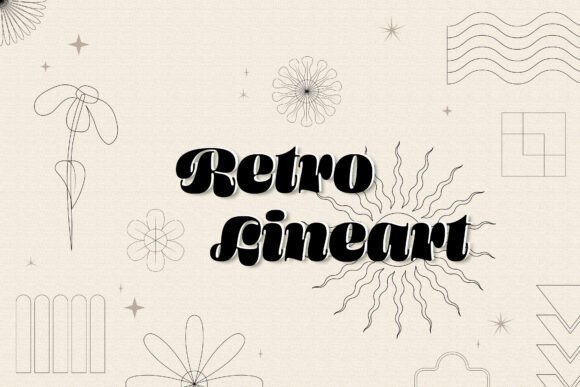
The term "retro" can mean many things, but 25 Retro Asset Lineart strikes a balance that feels both nostalgic and modern. The line work is clean, deliberate, and relies on negative space rather than heavy fills. This is immediately appealing to me because, in machine embroidery, less is often more. Heavy fill stitches can lead to puckering, especially on delicate fabrics, whereas well-executed line art offers a graphic, illustrative quality that reads clearly even at smaller scales.
The visual personality of these assets suggests they belong in the realm of decorative elements and graphics that add character without overwhelming the garment. They feel suited for brands that value minimalism, vintage aesthetics, or hand-drawn charm. When I first opened the files, I noted the crispness of the curves and the consistency of the line weights. This consistency is vital because it ensures that when the design is digitized or stitched directly (if supported), the visual rhythm remains intact. It creates a mood that is relaxed yet polished—perfect for the current market trends in handmade goods where authenticity and aesthetic cohesion are paramount.
Real-World Application: From Screen to Stitch
Let’s talk about where these designs actually live. I imagined using 25 Retro Asset Lineart for a specific project: a series of custom embroidered tote bags for a local artisan market. Tote bags are a staple for any craft business, but they present unique challenges. The fabric is often thin canvas or cotton, which can shift during stitching if not stabilized properly. Furthermore, the design needs to be visible but not so dense that it makes the bag stiff and unwearable.
In this scenario, the line art format shines. Because the designs rely on outlines rather than solid blocks of color, they allow the texture of the bag’s fabric to show through slightly, integrating the design with the material rather than sitting on top of it like a sticker. This results in a higher-end look. Customers appreciate this subtlety. It signals that the product was thoughtfully designed, not just mass-produced.
I also considered these assets for sweatshirt embroidery and baby embroidery. For sweatshirts, the retro vibe pairs beautifully with heavyweight cotton blends. A simple line-art graphic on the chest pocket area or centered on the back can create a striking custom apparel piece. For baby items, such as muslin blankets or bonnets, the soft, flowing lines of retro asset art feel gentle and appropriate. However, scale is everything here. A complex line art piece might get lost on a tiny onesie, whereas a simplified motif from the same pack could become the focal point of a nursery decor item.
Versatility Across Product Types
- Embroidered Patches: The clean edges of line art make them ideal for patch designs. They stitch out neatly and can be easily appliquéd or used as standalone motifs.
- Kitchen Towels and Aprons: These items benefit from graphic designs that don’t require huge hoop sizes. The retro aesthetic fits perfectly with farmhouse or modern kitchen themes.
- Holiday Embroidery: Seasonal gifts often demand a touch of nostalgia. These assets can evoke warmth and tradition, making them excellent for personalized gifts during the holiday season.
- Digital Mockups: Even before stitching, these vector files serve as incredible design assets for creating printable mockups. You can visualize how a tote bag design will look on different colored backgrounds, helping you market your Etsy listings effectively.
Where Caution Is Required
While I am a fan of this style, no design is universally perfect. There are specific situations where 25 Retro Asset Lineart requires careful handling to avoid disappointing results.
First, consider small hoop sizes. If a particular asset contains intricate details or fine lines, shrinking it down too much can cause those details to merge or disappear entirely during stitching. Always inspect small details closely. If the line weight is too thin relative to the size of the hoop, the stitches may break or look jagged.
Second, think about fabric texture. While line art works well on smooth cottons and canvases, it can struggle on highly textured fabrics like bouclé or thick terry cloth. The needle may not penetrate evenly, leading to inconsistent line thickness. Similarly, on stretchy fabric, you must use a proper stabilizer to prevent distortion. Without adequate support, the circular or curved lines of the retro design may warp, ruining the geometric integrity of the artwork.
Additionally, be mindful of thread colors on dark fabric. Line art often relies on contrast. If you choose a thread color that is too close to the fabric shade, the design will vanish. I recommend testing high-contrast combinations, such as white or cream thread on navy or black backgrounds, to ensure the visual appeal remains strong.
Practical Designer Notes for Success
To get the most out of 25 Retro Asset Lineart, I suggest following a few practical steps before committing to a full production run.
- Test on Scrap Fabric: Never assume a design will stitch perfectly on your final material. Run a test on a scrap piece of the same fabric and stabilizer combination you plan to use.
- Check Stitch Density: Ensure the design does not have overly dense areas that could cause puckering. Line art should generally be light, but verify the digitization if you are converting vectors.
- Review Hoop Size: Confirm that the largest dimension of the design fits comfortably within your machine’s hoop, leaving room for trimming and finishing.
- Inspect Small Details: Zoom in on the vector file. Are there tiny isolated shapes that might not stitch well? Sometimes, merging small elements or simplifying lines improves the final result.
- Compare Light and Dark Backgrounds: Use black and white mockups to see how the design holds up against different color palettes. This helps you plan your thread colors strategically.
- Confirm Licensing: Before selling finished items, double-check the license terms. Some vector packs allow commercial use for physical goods but restrict resale of the digital files themselves. Clarity here protects your small shop product business.
Final Verdict
25 Retro Asset Lineart is a versatile and stylish addition to any designer’s toolkit. It brings a sense of curated elegance that resonates with today’s consumers who value handmade quality and thoughtful design. By understanding its strengths—clean lines, nostalgic mood, and adaptability—and respecting its limitations regarding scale and fabric choice, you can create stunning embroidery projects that stand out.
Whether you are enhancing a commercial embroidery catalog or crafting a heartfelt personalized gift, these assets provide a reliable foundation. They encourage creativity while maintaining a professional finish. For anyone looking to level up their concept design game, this package offers a fresh start that translates beautifully from digital vision to tangible reality.