Retro Airplane Logo Review
As a designer who spends more time staring at stitch patterns than actual clouds, I have developed a specific eye for what works on fabric versus what looks good on a screen. When evaluating digital assets for embroidery, the gap between a crisp vector and a stitched reality is where most crafters get tripped up. That is why I take every embroidery design through a rigorous mental simulation before ever loading it into my hoop. Today, I am putting that lens on the Retro Airplane Logo. Biplane Flying. Pil, a graphic that promises vintage charm but requires careful handling to translate well into thread.
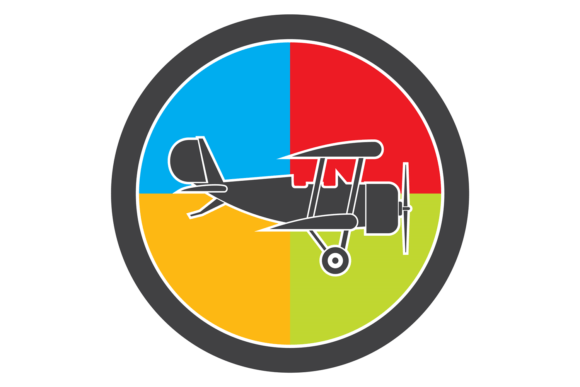
The first thing that strikes you about this asset is its clean, isolated presentation. As an Illustrations category item classified under Graphics, it offers versatility, but our focus here is strictly on its viability as a machine embroidery design. The mood it creates is undeniably nostalgic. It evokes the golden age of aviation—think barnstormers, leather flight jackets, and polished brass. For makers looking to tap into the trend of heritage-inspired goods, this visual personality fits naturally into projects that demand a sense of history and craftsmanship. It feels like something you would see stamped on a vintage oil can or embroidered on the chest of a pilot’s bomber jacket.
Real-World Application: From Screen to Stitch
To understand if this embroidery file holds up in practice, let’s imagine a real project scenario. You are preparing inventory for an upcoming craft fair or updating your Etsy shop with new listings. You decide to create a line of custom canvas tote bags and heavy-weight cotton sweatshirts targeting aviation enthusiasts or parents buying gender-neutral nursery decor. The Retro Airplane Logo. Biplane Flying. Pil sits perfectly in this niche. It is playful enough for a child’s room but sophisticated enough for a boutique gift shop.
When I visualize this design stitched onto a structured baseball cap, the biplane motif stands out against the curved surface without getting lost. However, the success of this handmade product relies heavily on how the details render. If placed on a soft baby onesie, the retro theme adds a layer of warmth and storytelling that generic shapes cannot achieve. Customers often buy into the narrative behind a design; this logo tells a story of adventure and classic style, which increases the perceived value of the finished piece. It transforms a simple garment into a statement of aesthetic taste.
Technical Performance and Visual Clarity
In the world of commercial embroidery, clarity is king. The biplane shape is generally geometric, which is favorable for digitizing. The wings and fuselage offer large areas suitable for fill stitch, providing a solid block of color that catches the light. The propeller and tail sections likely rely on satin stitch or running stitch for definition. This combination ensures that the design does not look muddy when stitched.
However, we must address the "Pil" aspect mentioned in the title. If this includes text, it becomes the critical failure point for many amateur embroiderers. Small lettering on a custom apparel item can easily distort if the stitch density is too high or if the font lacks sufficient spacing. In my experience, logos with integrated text perform best when the text is bold and widely spaced. If the biplane graphic is the primary focus and the text is secondary, the design remains strong even on smaller hoops. But if the text is intricate, it risks pilling or merging together after just a few washes, which damages customer trust in your brand.
Where to Use It Carefully
Not every surface is created equal. While this digital embroidery file is versatile, there are specific contexts where it might struggle. I advise against using this design on highly textured fabrics like chunky bouclé wool or loose-weave linen. The fabric texture will interfere with the needle penetration, causing the thread colors to look inconsistent and the edges to fray. Similarly, stretchy knits require a heavy-duty stabilizer to prevent puckering. Without proper support, the circular motion of the biplane wings can cause the entire design to shift, ruining the symmetry.
Another area of caution is small hoop sizes. If you attempt to shrink this design down to fit a tiny patch or a delicate tea towel, you risk losing the character of the biplane. Tiny corners become rounded blobs, and thin lines disappear entirely. It is far better to use this design asset on medium-to-large formats where the details can breathe. Also, consider dark fabrics carefully. Since the original graphic is isolated on a white background, you will need to ensure you are using a contrasting thread color or adding a backing layer to maintain the integrity of the white spaces in the logo. Otherwise, the negative space may fill in with your base thread, altering the intended look.
Practical Designer Notes for Success
Before you commit to a full production run or a personalized gift, follow these practical steps to ensure quality:
- Test on Scrap Fabric: Always run a test stitch on the exact fabric you plan to sell. This reveals how the material reacts to the stitch density and helps you adjust tension before wasting expensive materials.
- Check Thread Contrast: View your mockup in black and white. This removes the distraction of color and allows you to see if the shapes remain distinct. If the biplane blends into the background, you need higher contrast threads.
- Inspect Small Details: Zoom in on the smallest elements of the biplane. Are they too fine? Will they hold their shape? If they are fragile, consider simplifying the digitization or avoiding them on delicate items.
- Confirm Licensing: Since this is a graphic asset, verify the license terms before selling finished products. Ensure you have the right to use it for craft business purposes, whether you are selling physical goods or digital printable mockups.
- Use Proper Stabilizer: The choice of stabilizer is just as important as the design itself. A tear-away stabilizer might work for rigid hats, but a cut-away is essential for garments that will be washed frequently.
Final Verdict on Design Value
The Retro Airplane Logo. Biplane Flying. Pil is a strong candidate for designers looking to add a touch of vintage flair to their portfolio. It excels in applications like tote bag design, sweatshirt embroidery, and holiday embroidery gifts where the retro aesthetic resonates deeply with buyers. Its clean lines make it adaptable for both applique design techniques (if layered) and direct stitching.
For the Etsy seller or small shop owner, this design offers a high return on effort. It is recognizable, thematic, and fits seamlessly into popular niches like aviation, travel, and baby gear. By respecting the technical limitations of embroidery—particularly regarding scale, fabric choice, and text legibility—you can turn this graphic into a professional, market-ready product. It is not just a picture; it is a foundational element for creating memorable, tangible experiences for your customers. When executed with care, this logo elevates a simple commodity into a cherished keepsake.