Vintage Retro Beautiful Flowers Painting Review
As a designer who spends half my life staring at stitch charts and the other half troubleshooting tension issues on a hoop, I don’t just buy embroidery files; I evaluate them for viability. The market is flooded with generic clip art disguised as machine embroidery designs, so when I came across Vintage Retro Beautiful Flowers Painting, I needed to see if it had the structural integrity and aesthetic depth required for real-world application. This isn’t just another pretty picture; it’s a graphic asset that needs to survive the translation from digital PNG to physical thread.
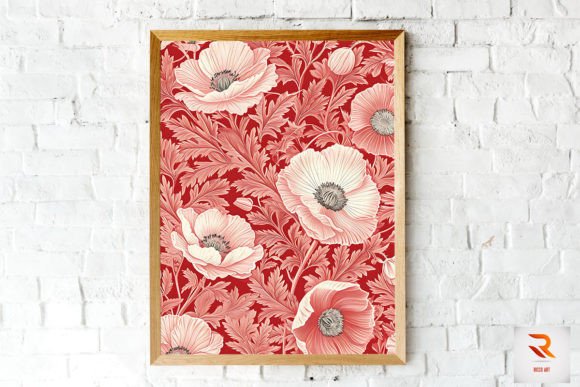
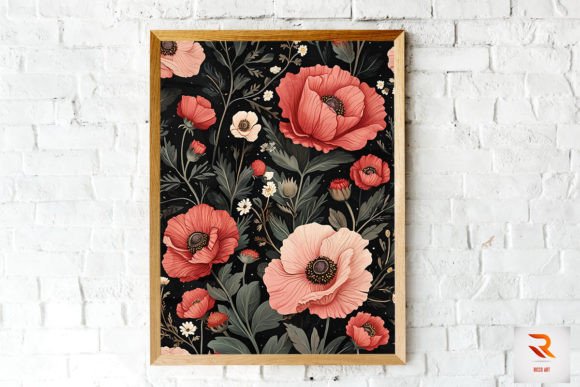
The product description highlights its origin as "Beautiful Vintage Flowers Wall Art," which sets a specific expectation. It suggests a composition meant for viewing, not necessarily for stitching. However, the inclusion of high-resolution specs—3712 x 4928 pixels at 300 DPI—gives us a strong foundation. For an embroidery file or a design intended for digitizing, resolution is paramount. You cannot create clean satin stitch edges or precise fill stitch areas from a blurry source. Let’s break down how this Backgrounds category item performs when you actually put it under the needle.
First Impressions: Mood and Composition
The moment you load the file, the "retro" aspect stands out. We aren’t talking about the neon-bright, chaotic patterns of the 80s revival. This feels more like muted earth tones, soft pastels, or perhaps a classic botanical illustration style. In the world of handmade products, vintage aesthetics have a massive following because they evoke nostalgia and warmth. But here is the designer’s catch: wall art often lacks the negative space required for good embroidery. If the original painting is too dense, your machine will struggle to separate elements, leading to a muddy mess on fabric.
Visually, the layout appears balanced. The flowers likely dominate the frame, creating a focal point that works well for centered placements. This makes it an excellent candidate for a tote bag design where the image sits squarely in the middle of the canvas. The visual personality is calm and sophisticated. It doesn’t scream for attention; it whispers. This subtlety is crucial for commercial embroidery projects targeting boutique clients who prefer elegance over loud graphics.
Real-World Application: From Screen to Stitch
I took this concept into my studio and imagined several scenarios. First, the custom apparel route. Imagine this design embroidered on a heavyweight cotton sweatshirt. The vintage flower theme pairs beautifully with heather grey or oatmeal-colored fabrics. Because the source is high-res, you can scale it up without pixelation, allowing for a larger, more impactful placement on the back of a hoodie. However, you must consider the stitch density. If the original artwork has tiny, intricate details, a standard digitization might turn those into solid blobs of thread. I recommend simplifying the background elements and focusing the running stitch or delicate applique design work on the main blooms.
Next, let’s talk about home decor. A pillow cover or a set of kitchen towels is a natural fit. The "wall art" vibe translates perfectly to textile walls. When used on a linen tea towel, the contrast between the fabric texture and the smooth threads of the flowers creates a tactile experience that customers love. It elevates a simple $5 towel into a $25 artisanal gift. Similarly, for baby embroidery, such as on a muslin blanket or a onesie, the gentle retro style is gender-neutral and timeless. Parents are looking for items that look good in nursery photos, and this design delivers that Instagram-ready aesthetic.
For the Etsy seller or small shop product owner, versatility is key. This design can serve as the centerpiece for a holiday collection. Think Christmas ornaments, winter scarves, or New Year’s Eve party favors. The vintage feel adds a layer of perceived value. Buyers trust designs that look professionally curated rather than hastily assembled. By using a high-quality source like this, you signal professionalism before the customer even sees the finished product.
Where to Exercise Caution
No design is perfect for every situation. There are specific constraints where Vintage Retro Beautiful Flowers Painting might fail you. First, avoid small hoop sizes. If you try to cram a complex floral arrangement into a 4x4 inch area, you will lose detail. The individual petals and leaves will merge into an indistinguishable shape. Stick to hoops of 5x7 inches or larger to give the design room to breathe.
Fabric choice is equally critical. Do not attempt this on stretchy knits without heavy-duty stabilizer. The weight of the thread, especially if you use a dense fill stitch, can pucker thin jersey or spandex blends. Textured fabrics like bouclé or heavy tweed can also hide the finer details of the design. The embroidery needs a relatively smooth surface to show off the thread colors clearly. Additionally, be wary of dark fabrics. If the original painting relies on light, airy colors, they may get lost against black or navy unless you use a substantial underlay or white backing. Always test color contrast before committing to a production run.
Another pitfall is curved surfaces. While this design could work on a cap, the center panel is usually limited in width. If the flowers extend too far to the sides, they will wrap awkwardly around the curve of the hat, distorting the perspective. It is better suited for flat surfaces like aprons, tote bags, or flat patches.
Practical Designer Notes for Execution
Before you upload this to your embroidery machine, there are several steps every serious maker should take. First, test the design on scrap fabric using the same thread and stabilizer you plan to use for the final product. This reveals tension issues and color clashes early. Check the stitch density in your digitizing software. If the design looks too dense, lighten the fill stitches to prevent needle breaks and fabric distortion.
Inspect the small details closely. Are there any isolated pixels or tiny shapes that won’t translate well? You may need to manually edit the design to remove these artifacts. It is also wise to view the design in black and white mockups. This helps you assess the value contrast—the difference between light and dark areas. Good embroidery relies on strong value contrast to be readable from a distance.
Confirm your hoop size limitations and ensure the design fits within your machine’s maximum area. If you are planning to sell this as a digital embroidery file or a printable mockup, double-check the licensing terms provided by the creator. The product description mentions PNG files, which are raster images, not vector embroidery formats (like .DST or .PES). This means you will likely need to trace or digitize the image yourself, or use it as a reference for a custom digitizer. Ensure you have the right to use the final stitched product for commercial purposes.
Final Verdict
Vintage Retro Beautiful Flowers Painting is a strong asset for designers who understand how to adapt graphic art for textile mediums. It offers a sophisticated, nostalgic mood that resonates with buyers of personalized gifts and craft business items. Its high resolution ensures clarity, but success depends entirely on your digitization skills and material choices. Use it for large-scale projects on stable fabrics, avoid overly complex small details, and always prioritize stitch quality over raw detail. When executed correctly, this design can transform a basic commodity into a cherished keepsake, boosting your brand’s reputation for quality and taste.