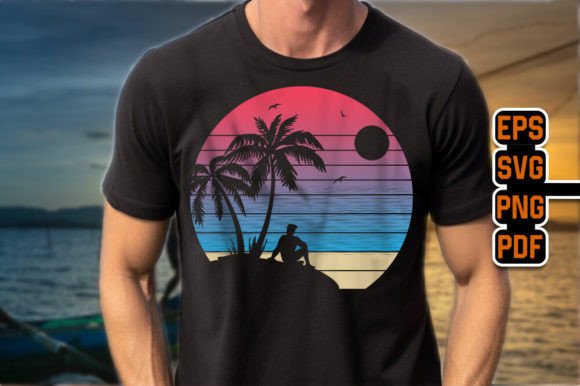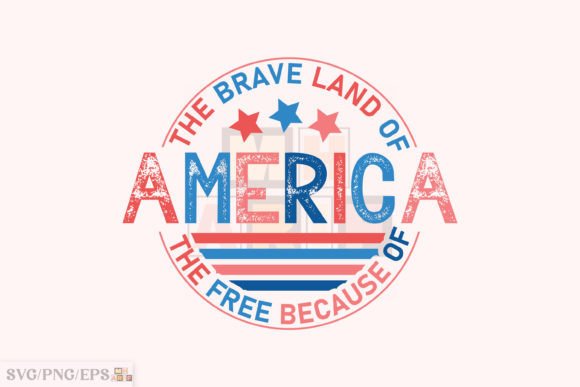
Retro Groovy 4th of July SVG Design Review
As a designer who spends half my life staring at stitch charts and the other half trying to convince clients that "embroidery isn't just printing with thread," I approach every new digital asset with a healthy dose of skepticism. We have all been burned by designs that look stunning in a glossy mockup but turn into a tangled, puckered mess once they hit the hoop. That is why I am taking Retro Groovy 4th of July SVG Design for a spin. This isn't just about checking if the file opens; it is about evaluating whether this design has the structural integrity and aesthetic appeal to survive real-world production, whether you are making a single personalized gift or launching a line of boutique merchandise.
The First Impression: Mood and Visual Personality
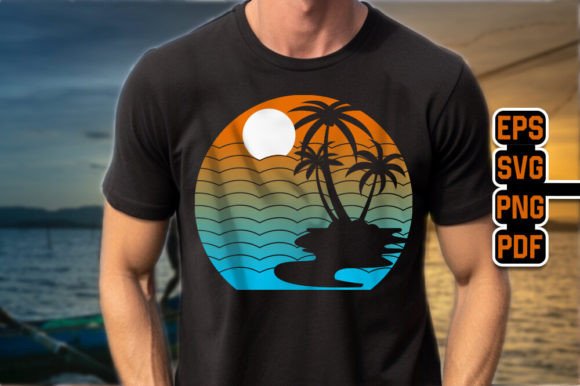
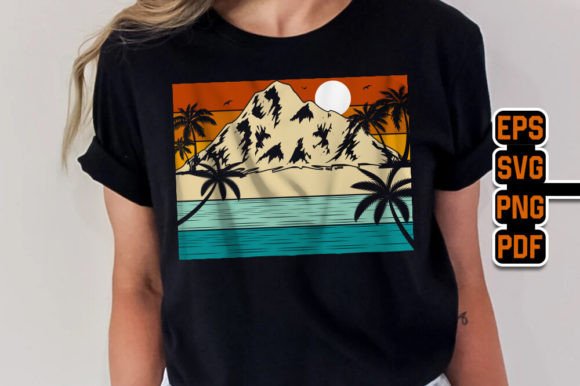
When you first load Retro Groovy 4th of July SVG Design, the immediate takeaway is its distinct personality. It does not try to be subtle. The retro aesthetic brings a specific energy—nostalgic, playful, and undeniably festive. For an embroidery project, visual clarity is paramount because thread cannot replicate the infinite gradients of a digital screen. You need shapes that read instantly from a distance. This design seems to lean heavily into bold silhouettes and strong curves, which is exactly what you want when translating vector graphics into stitches. The "groovy" theme suggests flowing lines and perhaps some stylized typography, elements that can either make or break a machine embroidery design depending on how they are digitized.
The mood it creates is perfect for summer events, Independence Day celebrations, and casual wear. It feels less like a formal patriotic statement and more like a fun, wearable celebration. For small business owners and Etsy sellers, this distinction matters. Customers often buy handmade items for their vibe as much as their utility. A design that screams "fun vintage summer" has a broader appeal for general audiences than one that might feel too aggressive or overly traditional.
Real-World Application: From Digital File to Finished Product
Let’s talk about where this design actually lives. Imagine you are preparing a custom embroidered tote bag for a local craft fair. You want something that stands out on a rack of generic flags and stars. Retro Groovy 4th of July SVG Design offers a fresh take on holiday embroidery. The curves likely work beautifully on canvas totes, where the fabric provides enough stability to hold the shape without excessive backing. However, the success here depends heavily on your choice of stabilizer and thread colors.
Consider also the application on custom apparel. Sweatshirt embroidery requires a design that can handle thicker fabrics without pulling. If the design includes dense fill stitches, you need to ensure the underlay is sufficient to keep the surface flat. Conversely, if it relies on satin stitches for outlines, those edges must be crisp. I imagine this design fitting well on baby clothes or nursery decor, where the softer, rounded retro fonts add a touch of whimsy that parents love. It transforms a simple onesie or bib into a keepsake-quality item.
For commercial embroidery projects, versatility is key. Can this design be scaled down? If you are creating embroidered patches or small accents for caps, the detail level needs to remain legible. Large blocks of color might get lost in tiny hoop sizes, while intricate details might become muddy. Evaluating Retro Groovy 4th of July SVG Design involves asking: does it hold up when reduced to two inches? If the core message remains clear, it is a strong candidate for a wide range of products, from aprons to pillow covers.
Where Caution Is Required
No design is flawless, and knowing where to draw the line is part of professional judgment. There are specific scenarios where Retro Groovy 4th of July SVG Design might struggle. Textured fabrics, such as heavy bouclé or loose-weave linen, can distort fine details. If the design contains small lettering or thin decorative accents, these elements may disappear or look jagged on such surfaces. Similarly, stretchy fabrics like jersey knits require careful stabilization. Without proper support, the tension of the stitching can cause the garment to pucker, ruining the clean lines of the retro aesthetic.
Dense stitch areas are another point of concern. If the design packs too many stitches into a small space, it can create a stiff, board-like texture that is uncomfortable to wear, especially on children's clothing or delicate garments. Furthermore, dark fabrics present a contrast challenge. If the original design assets rely on light threads against a dark background, you must ensure the digitization uses enough coverage to prevent the dark fabric from showing through. Testing on scrap fabric is non-negotiable here.
Practical Designer Notes for Execution
To get the most out of this embroidery file, you need to treat it as a starting point, not a finished command. Start by testing the design on scrap fabric that mimics the weight and texture of your final product. Check the thread color contrast carefully; what looks good on a monitor might wash out in polyester thread. Review the stitch density to ensure it balances durability with flexibility. Confirm the hoop size early on to avoid mid-project resizing, which can alter proportions.
Inspect small details closely. Are there any isolated dots or thin lines that might not transfer well? Consider simplifying these elements if necessary. Test the design in black and white mockups to evaluate the balance of positive and negative space. Compare how it looks on both light and dark fabric backgrounds to ensure versatility. Use a proper stabilizer—cut-away for stretchy fabrics, tear-away for wovens—to maintain structural integrity. Finally, verify whether the design works for both personal and commercial projects. Licensing terms vary, and as a digital product seller or craft business owner, you need to know if you are allowed to sell the finished items.
Impact on Brand and Customer Trust
In the world of handmade products and boutique branding, presentation is everything. A well-executed embroidery project signals professionalism and care. When customers see Retro Groovy 4th of July SVG Design stitched cleanly on a high-quality item, it builds trust. It shows attention to detail and an understanding of materials. This translates directly to buyer engagement and repeat business. A sloppy execution, regardless of the design's potential, can damage your reputation. Conversely, a crisp, vibrant finish enhances the perceived value of the product, allowing you to command higher prices.
The design also contributes to brand consistency. If your shop specializes in vintage-inspired or playful goods, this asset aligns perfectly with that identity. It helps create a cohesive collection, whether you are listing digital embroidery files or selling physical custom apparel. For printable mockups and design assets, having a versatile, high-quality source file allows you to showcase your products effectively online, giving potential buyers a clear idea of what to expect.
Final Verdict
Retro Groovy 4th of July SVG Design appears to be a solid addition to any designer’s toolkit, particularly for those focusing on holiday-themed or casual wear. Its strong visual personality makes it suitable for a variety of applications, from tote bags and sweatshirts to baby items and patches. However, success lies in the preparation. By testing thoroughly, choosing the right materials, and respecting the limitations of the medium, you can transform this digital graphic into a beautiful, tangible product. For the experienced embroiderer, it offers a fun, marketable option that balances style with practicality. Just remember to check the specific file requirements and licensing before you start stitching.