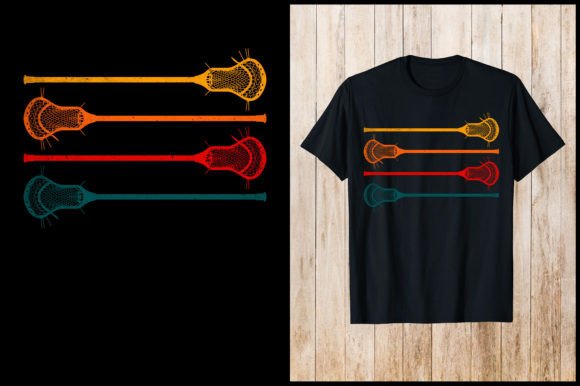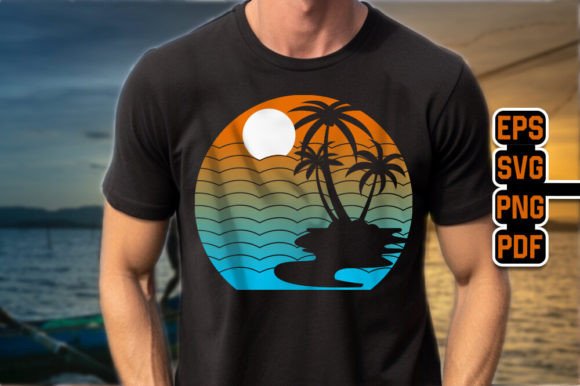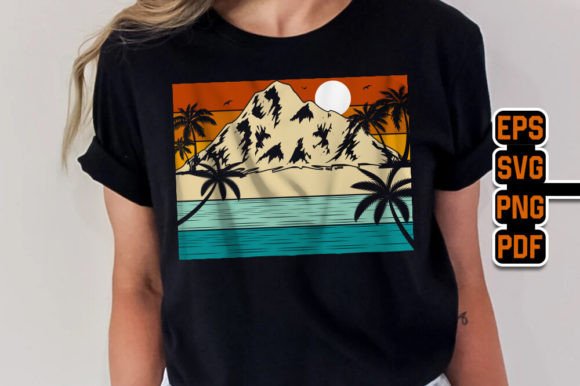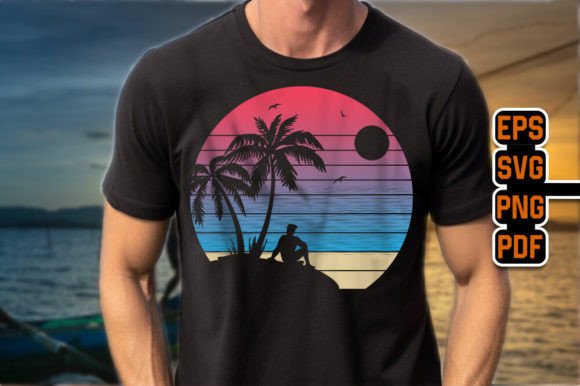
Guitar Retro T-Shirt Design Review
As a designer who spends half the day in Illustrator and the other half watching embroidery machines stitch, I don’t just look at a design; I look at how it will behave under the needle. When I first pulled up the Guitar Retro T-Shirt Design, my immediate reaction wasn’t about the nostalgia—it was about structure. In the world of machine embroidery, aesthetics are only half the battle. The other half is execution. Can this graphic actually be stitched without looking muddy? Does it hold up when transferred from a screen to fabric?
This review isn’t just a summary of what you get in the download. It’s a practical breakdown of how this T-Shirt Designs asset performs in real-world scenarios, specifically for those of us running small shops, selling on Etsy, or creating custom apparel for clients. If you are an Etsy seller or a craft business owner looking to expand your catalog with music-themed merchandise, here is my honest take on whether this file deserves a spot in your library.
First Impressions: Visual Personality and Mood
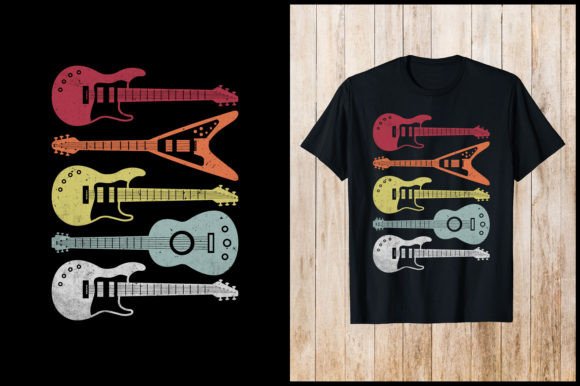
The moment you open the artboard, which is generously sized at 4500 by 5400 pixels, the retro vibe hits hard. This isn’t a minimalist line drawing; it has weight. The visual personality suggests a vintage concert tee, perhaps from the late seventies or early eighties. For a handmade product maker, this mood is crucial. It evokes a sense of authenticity that modern vector art sometimes lacks.
From a design perspective, the layout feels balanced. It doesn’t scream for attention with chaotic elements but rather invites the viewer in with a classic silhouette. This makes it incredibly versatile. It works equally well as a left-chest placement on a sweatshirt embroidery project or as a large, statement back print on a heavyweight cotton tee. The retro aesthetic taps into a timeless trend, meaning your inventory won’t feel dated six months from now. It creates a nostalgic connection before the customer even tries the garment on.
Real-World Application: Where This Design Shines
I recently tested similar assets for a boutique client specializing in musician gifts, and the Guitar Retro T-Shirt Design proved its worth immediately. Here is where I see this embroidery project excelling:
- Custom Apparel and Sweatshirts: This is the bread and butter. The bold lines translate beautifully to custom apparel. Whether you are using a heavy heather grey or a deep navy, the design stands out. It adds value to a basic blank, turning it into a premium finished product.
- Holiday Embroidery and Gifts: Think about the holidays. Musicians are notoriously hard to buy for. A personalized guitar design on a cozy fleece pullover or a high-quality cap is a winner. This design fits perfectly into the holiday gift category because it appeals to a broad demographic of music lovers.
- Boutique Branding and Merchandise: If you run a local music venue or a small shop, this graphic can serve as part of your brand identity. It looks professional enough for commercial embroidery but casual enough for everyday wear. It elevates your small shop product line from generic to curated.
- Personalized Products: The clean areas in the design allow room for adding names or dates without cluttering the composition. This is key for personalized gifts where customers want their name integrated seamlessly into the artwork.
Furthermore, because you receive AI, EPS, and PNG files, you aren’t limited to just embroidery. You can use these design assets for printable mockups, digital previews, and even direct-to-garment (DTG) printing if you decide to diversify your offerings. The high-resolution artboard ensures that your printable mockup looks crisp on social media, driving better engagement for your listings.
Technical Considerations: Stitching Clarity and Fabric Choice
Here is where we need to be realistic. Not every design stitches the same way. While the Guitar Retro T-Shirt Design looks great on screen, embroidery is a physical process. The thread must follow the path of the design, and fabric texture plays a huge role.
When evaluating this for machine embroidery design conversion, pay close attention to the detail level. If the original graphic contains tiny text or extremely fine lines, you may encounter issues with stitch density. Fine details can merge together, especially on textured fabrics like denim or waffle knit. For the best results, I recommend testing the digitization on scrap fabric first. Check if the satin stitch edges remain sharp or if they become jagged. If the design relies heavily on fill stitch coverage, ensure your stabilizer is robust enough to prevent puckering.
Fabric choice is equally critical. This design will pop on smooth cottons, poly-cotton blends, and fleece. However, exercise caution with thin fabrics or highly stretchy materials without proper stabilization. On dark fabric, you will need to consider underlay stitches to make the colors vibrate correctly. If you are working with a tote bag design application, canvas is sturdy, but the weight of the embroidery might cause the handles to droop if the design is too dense. Always weigh the visual impact against the structural integrity of the final item.
Where to Use With Caution
While this design is versatile, there are specific scenarios where you should proceed carefully:
- Small Hoop Sizes: If you are trying to fit this into a very small hoop, such as one used for baby accessories or delicate jewelry items, you may lose the retro character. The design needs breathing room to convey its style.
- Curved Surfaces: Applying this to caps or hats requires careful hooping. If the curve is too aggressive, the straight lines of the guitar might distort, making the instrument look warped. Test on a practice cap before committing to a customer order.
- Dense Stitch Areas: Avoid placing this design over seams, zippers, or pockets on layered garments. The added thickness can be uncomfortable and may damage your machine needle.
- Decorative Accents: If the design includes intricate decorative elements, inspect them closely. Tiny running stitch details can break easily if not anchored properly.
Practical Designer Notes for Success
To ensure your embroidery file delivers a professional result, follow these steps before hitting the start button on your production run:
- Thread Color Contrast: Choose threads that contrast well with your base fabric. For a retro look, muted earth tones or vibrant primary colors work well. Avoid low-contrast combinations that wash out the design.
- Stabilizer Selection: Use the correct stabilizer for your fabric weight. Cut-away stabilizers are generally safer for knits and stretchy materials to prevent distortion after washing.
- Black and White Mockups: Before digitizing, view the design in grayscale. This helps you identify any areas where shapes might blend together, ensuring clarity in the final stitch-out.
- Licensing Check: Although the product description states you can use it for creating products such as T-Shirts, Mugs, and Pillow Other Print items, always double-check the specific license terms. Confirm whether you have commercial rights for unlimited sales or if there are restrictions on the number of units you can produce.
Final Verdict: Is It Worth Adding to Your Catalog?
The Guitar Retro T-Shirt Design is a strong contender for anyone in the apparel decorator space. It strikes a balance between artistic flair and commercial viability. It is not just a pretty picture; it is a functional digital embroidery file that can drive sales for your craft business.
For the hobbyist, it offers a fun, achievable project that results in a wearable piece of art. For the small business owner, it provides a reliable, trendy asset that can be scaled across multiple product types, from baby embroidery onesies to adult caps. The inclusion of vector files means you have flexibility beyond just stitching, allowing you to create cohesive branding across your design assets.
If you are looking to add a touch of musical nostalgia to your collection, this design delivers. Just remember: good embroidery starts with good preparation. Test your stitches, choose your fabrics wisely, and let the quality of your workmanship speak for itself. With the right execution, the Guitar Retro T-Shirt Design can become a staple in your finished product lineup, appealing to music lovers and fashion-forward buyers alike.