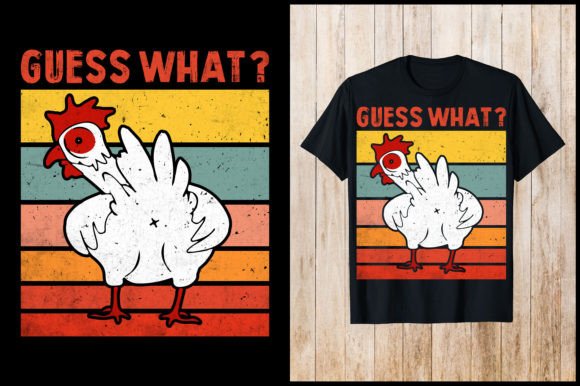
Guess What Chicken Retro T-Shirt
As a designer who spends half my life staring at stitch density charts and the other half arguing with thread spools, I don’t just look for "cute" designs. I look for viability. When a design comes across my desk, my first question is always practical: Will this hold up in production? Will it translate from a digital screen to a physical object without losing its soul? Recently, I evaluated the Guess What Chicken Retro T-Shirt design, and I want to share my honest take on how this asset performs when you move it from your computer screen to your embroidery machine.
This isn't just another graphic waiting to be digitized; it’s a specific mood captured in vector form. The retro aesthetic brings a nostalgic warmth that feels right at home in today’s handmade market. But nostalgia alone doesn’t sell products—execution does. Here is how I see this design fitting into real-world projects, from Etsy shops to boutique inventory.
First Impressions and Visual Personality
The moment you open the file, the visual personality of the Guess What Chicken Retro T-Shirt jumps out. It has a playful, slightly irreverent energy that works exceptionally well for casual wear. The layout is balanced, which is crucial for embroidery because an unbalanced composition can lead to awkward hooping or tension issues. The shapes are distinct, suggesting that the underlying vector art is clean—a prerequisite for any successful machine embroidery design.
For designers, the appeal here lies in its versatility. It’s not overly complex, which means it won’t bog down your machine with excessive needle penetrations, but it has enough detail to feel premium. It strikes that sweet spot between a simple logo and a full-coverage print. When I imagine this on a garment, I immediately think of a chest pocket placement on a denim jacket or a centered back print on a heavyweight sweatshirt. It commands attention without shouting. This balance is what drives customer trust; buyers can instantly read the humor and style, making the product feel curated rather than generic.
Real-World Application: From Screen to Stitch
Let’s talk about where this design actually lives. In my experience, the best embroidery project ideas come from matching the design’s vibe to the right substrate. For the Guess What Chicken Retro T-Shirt, I see two primary use cases that yield high perceived value.
Custom Apparel and Sweatshirts
This is the most obvious application. The retro theme pairs beautifully with vintage-wash cotton tees or heather grey hoodies. When designing for custom apparel, you have to consider how the colors interact with the fabric. If you are using dark threads on a dark shirt, you need a contrasting underlay. If you go light-on-light, the design might get lost. I recommend testing this design on both light and dark backgrounds before committing to a batch. The clean lines of the chicken motif will pop nicely if you choose a bold, saturated thread color palette, perhaps mustard yellows and deep navys, to enhance that retro feel.
Baby Items and Nursery Decor
There is a surprising amount of market demand for quirky, non-cliché baby gifts. While "chicken" might sound unusual for a nursery, the retro style softens the image, making it more artistic than literal. Imagine this embroidered on a muslin burp cloth, a small blanket, or a onesie. As a personalized gift, it stands out against the sea of pastel florals and bears. For these items, the key is scale. You would likely need to resize the embroidery file to fit smaller hoop sizes, ensuring that the details remain sharp and don’t become muddy blobs of thread.
Tote Bags and Aprons
If you run a craft business or sell at local markets, this design translates perfectly to canvas tote bags and kitchen aprons. A canvas bag provides a sturdy base that can handle the weight of the stitches without puckering. For an apron, placing the design near the bottom hem creates a fun surprise element. These are high-utility items, and customers love buying functional goods that also have character. It elevates a plain $5 tote into a $20 boutique item simply through thoughtful placement and quality stitching.
Where to Exercise Caution
No design is perfect for every surface. As an experienced reviewer, I have to point out where the Guess What Chicken Retro T-Shirt might face challenges. Embroidery is a tactile medium, and texture matters.
- Small Hoop Sizes: If you attempt to stitch this in a very small hoop (like 3x3 inches), you risk losing fine details. Always inspect the smallest elements of the vector before digitizing. If the lines are too thin, they may merge together during stitching.
- Textured Fabrics: Avoid putting this on heavily textured fabrics like bouclé wool or thick terry cloth unless you are using a heavy stabilizer. The uneven surface can cause inconsistent tension, leading to loose loops or skipped stitches.
- Stretchy Knits: While t-shirts are often knit, stretchy fabrics require proper stabilization to prevent distortion. Without a cut-away stabilizer, the fabric may pucker around the edges of the design as you wear it.
- Dense Stitch Areas: Check the stitch density. If large areas are filled with dense satin or fill stitches, the fabric underneath may become stiff and uncomfortable. For apparel, breathability is key. Consider using lighter fill techniques or leaving some negative space.
Practical Designer Notes for Success
Before you upload this to your shop or start a client order, follow these steps to ensure professional results:
- Test on Scrap Fabric: Never assume a design will work on the final material. Stitch it out on a scrap piece of the same fabric type. This reveals tension issues, thread breakage risks, and color clashes early.
- Check Thread Contrast: Review your thread colors against the fabric. A black outline on a black shirt won’t show. Use a mockup tool to visualize the contrast before buying thread.
- Inspect Small Details: Zoom in on the vector file. Are there tiny curves that might not digitize well? Simplify if necessary. Clean vectors make for cleaner stitches.
- Confirm Licensing: Since you are likely selling finished goods, verify the license terms. Does the purchase allow for commercial use? Most digital embroidery files have specific restrictions, so check the provider’s guidelines to avoid legal issues.
- Use Proper Stabilizer: Match your stabilizer to the fabric weight. Heavy stabilizers for heavy fabrics, lightweight tear-away for stable wovens. This is the secret to a flat, professional finish.
Final Verdict on Value and Appeal
The Guess What Chicken Retro T-Shirt design offers strong potential for Etsy sellers and small shop owners looking to diversify their inventory. Its retro charm gives it a distinct brand identity, which helps in building recognition among repeat customers. It’s not just a commodity; it’s a statement piece.
When executed correctly, this design enhances the perceived value of the handmade product. Customers are willing to pay more for items that feel thoughtfully designed and well-made. The clean lines and balanced composition suggest professionalism, which builds trust. Whether you are creating holiday embroidery gifts, wedding favors, or everyday commercial embroidery stock, this asset provides a solid foundation.
However, remember that the file is just the starting point. Your skill in digitization, fabric selection, and finishing determines the final outcome. Treat the artboard dimensions and file formats (AI, EPS, PNG) as tools to be manipulated, not rigid constraints. Resize, recolor, and adapt the design to fit your specific niche.
In summary, this is a versatile, visually engaging design that fits well within the broader category of T-Shirt Designs and Graphics for apparel decorators. It works best when paired with sturdy fabrics and appropriate stabilization. If you are looking to add a touch of humor and nostalgia to your collection, the Guess What Chicken Retro T-Shirt is a smart addition—provided you respect the technical requirements of machine embroidery. Test it, refine it, and let your creativity guide the final stitch.