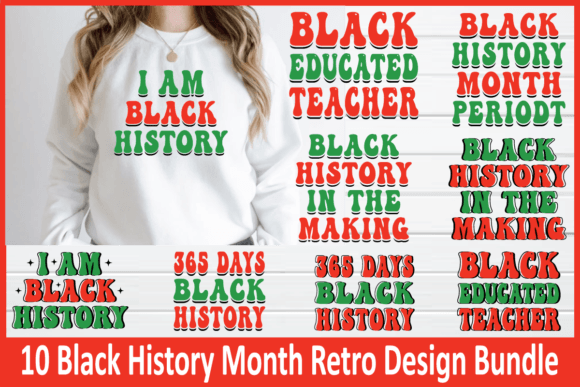
Black History Month Retro Design Bundle
As a designer who spends half my life staring at hoop frames and the other half worrying about stitch density, I approach every new embroidery file with a mix of optimism and skepticism. When the Black History Month Retro Design Bundle landed on my desk, I didn’t just look at the preview image; I looked at how it would translate from a digital screen to a physical textile. This isn’t just about aesthetics; it’s about functionality, marketability, and whether a design can hold up under the scrutiny of a paying customer.
The first impression of this bundle is strikingly cohesive. The retro aesthetic brings a specific mood—one that feels nostalgic yet vibrant. It avoids the trap of feeling dated by leaning into bold shapes and confident color palettes that are essential for high-contrast embroidery. For designers looking to expand their T-Shirt Designs or add seasonal relevance to their Graphics portfolio, this bundle offers a strong foundation. It immediately signals celebration, history, and style, making it an excellent candidate for custom apparel that needs to make a statement without shouting.
Real-World Application: From Screen to Stitch
I recently put this design through its paces while preparing a batch of personalized gifts for a client’s boutique shop. The goal was to create a line of handmade product items that felt premium but accessible. I chose to test the design on both heavyweight cotton sweatshirts and sturdy canvas tote bags. Here is what happened when the needle started moving.
On the sweatshirt, the design shone. The retro elements played beautifully against the dark fabric, creating a sharp visual pop that is often difficult to achieve in machine embroidery. The layout worked well for a chest placement, offering enough space for the details to breathe without feeling cramped. However, the real test came with the tote bag. Tote bags require a different mindset because the surface area is larger, but the fabric is often thinner and more prone to shifting. I found that the design held its shape remarkably well, provided I used the correct stabilizer. Without proper backing, even the best machine embroidery design can warp. With a cut-away stabilizer, the result was crisp, professional, and ready for retail.
This versatility is where the Black History Month Retro Design Bundle truly adds value. It is not limited to one type of embroidery project. I envision this design thriving on baby onesies, where the softer retro tones complement pastel fabrics, or on kitchen towels for holiday gifts. The adaptability suggests that this is not just a single-use graphic but a versatile asset for any craft business owner looking to diversify their inventory.
Visual Appeal and Product Value
In the world of Etsy seller markets and small shop product listings, visual appeal is your first sales pitch. A well-executed embroidery design builds customer trust because it signals quality and attention to detail. The retro theme of this bundle taps into a current trend that values authenticity and heritage. When a buyer sees a finished product featuring these designs, they don’t just see a shirt; they see a piece of culture and artistry.
The design’s personality is warm and inviting. It works exceptionally well for personalized gift scenarios. Imagine a custom cap for a community event or a pillow cover for a nursery decor collection. The design assets are structured in a way that allows for easy integration into various layouts. Whether you are creating a printable mockup for your online store or producing a physical item for a craft fair, the retro vibe ensures that your work stands out among generic templates. It elevates the perceived value of the finished product, allowing you to price your items with confidence because the underlying design is strong.
Technical Considerations and Potential Pitfalls
No design is perfect for every situation, and as an experienced reviewer, I need to highlight where caution is required. While the Black History Month Retro Design Bundle is robust, certain applications demand careful planning.
- Small Hoop Sizes: If you are working with very small hoops, be mindful of the fine details. Tiny lettering or intricate decorative accents may become muddy if the stitch count is too high for the available space. Always inspect small details before committing to production.
- Fabric Texture: Textured fabrics like bouclé or heavy knits can obscure the clarity of the design. For the best results, use smooth fabrics like jersey, cotton twill, or denim. If you must use textured fabric, consider using a water-soluble topping to keep the stitches defined.
- Stretchy Fabrics: Stretchy materials like spandex blends require a strong stabilizer to prevent puckering. Test the design on scrap fabric first to ensure the stitch density does not distort the garment.
- Dense Stitch Areas: Areas with heavy fill stitches can become stiff and uncomfortable, especially on baby clothes or lightweight tees. Review the stitch distribution to ensure comfort is maintained.
Additionally, thread color contrast is critical. The retro palette relies on specific contrasts to read correctly. If you substitute colors poorly, the design may lose its impact. I recommend testing your thread choices in black and white mockups to check for sufficient tonal separation.
Practical Designer Notes for Success
To get the most out of this bundle, follow these practical steps:
- Test First: Never run a new design directly onto your final product. Use scrap fabric to check tension, alignment, and stability.
- Check Licensing: Before selling finished items, confirm the licensing terms. Ensure you have commercial rights for the specific uses you plan, such as commercial embroidery or digital resale.
- Inspect File Compatibility: Since this is an instant download cutting file compatible with software like Silhouette and Cricut, verify that your machine software can interpret the file format correctly. If you are converting between formats, re-check the pathing and stitch types.
- Stabilizer Selection: Match your stabilizer to your fabric weight. Light fabrics need light stabilizers; heavy fabrics need heavy-duty support.
- Review Satin Stitches: Inspect the satin stitches around the edges. They should lay flat and cover the fabric edge cleanly without gaps or bunching.
Final Verdict
The Black History Month Retro Design Bundle is a thoughtful, well-crafted addition to any designer’s library. It bridges the gap between artistic expression and commercial viability. Whether you are an Etsy seller looking to capitalize on seasonal trends, a creative entrepreneur building a brand identity, or a hobbyist wanting to create meaningful personalized gifts, this design delivers. It respects the historical significance of the occasion while offering a stylish, modern twist that appeals to a wide audience.
By understanding its strengths and respecting its technical limitations, you can transform this digital embroidery file into a successful handmade product. It is not just a design; it is a tool for storytelling and commerce. Use it wisely, test it thoroughly, and watch it elevate your craft business.